Category: Kids & Family

  • Best Toddler Plates and Bowls: What Parents Should Look For Before Buying

    Best Toddler Plates and Bowls: What Parents Should Look For Before Buying

    Kids & family product guide

    Best Toddler Plates and Bowls: What Parents Should Look For Before Buying

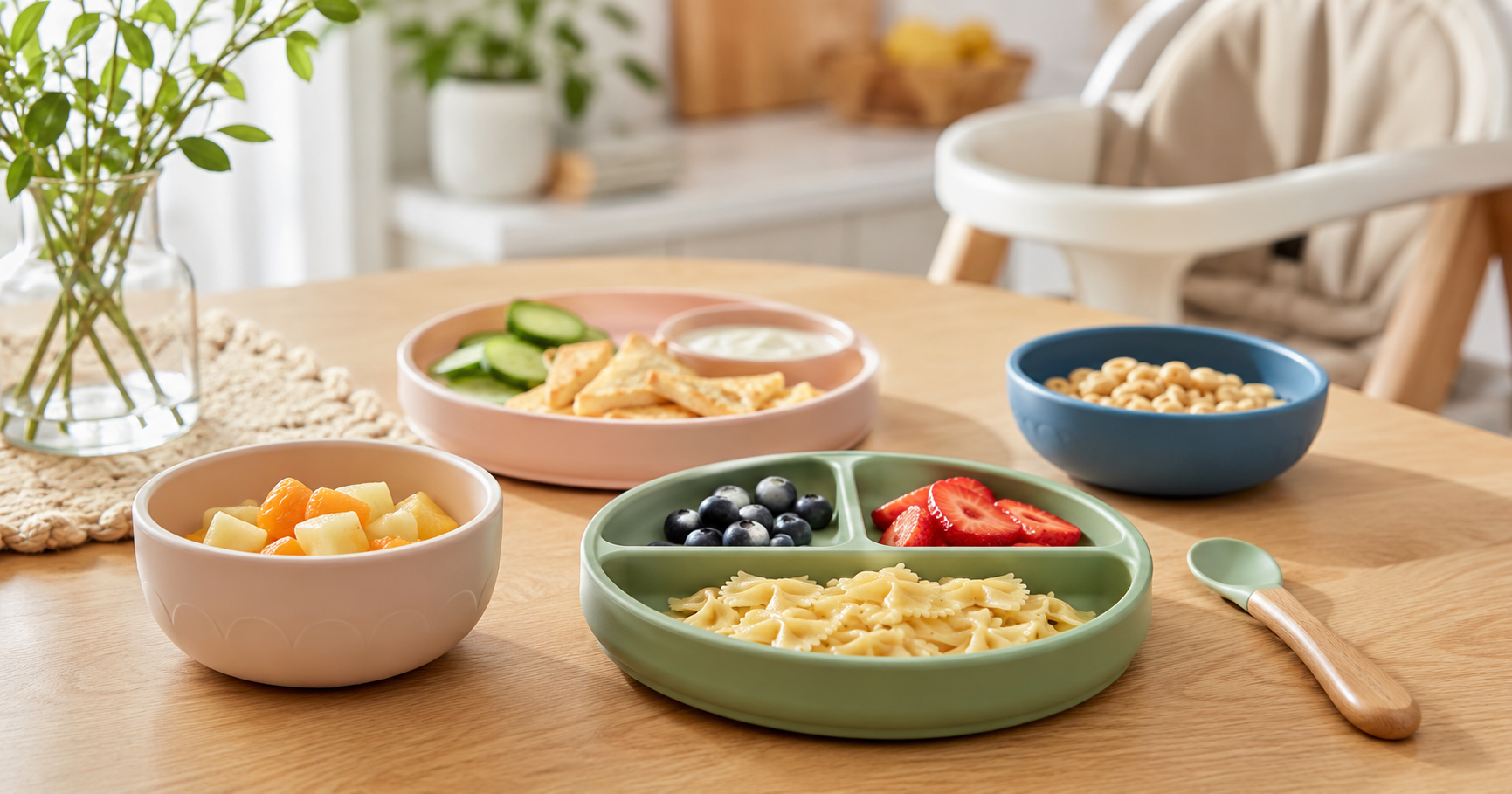
    A good toddler plate or bowl should make meals easier, cleanup faster, and daily use less frustrating — without taking over your cabinets.

    This guide moves product options near the top so you can compare toddler plates and bowls quickly before reading the detailed buying checklist.

    Affiliate disclosure: Some links may be affiliate links. The Household Compass may earn a commission from qualifying purchases at no extra cost to you. Product details, prices, colors, availability, materials, dimensions, age guidance, care instructions, and retailer policies can change, so always review current retailer and manufacturer information before purchasing.

    Quick Picks: Toddler Plates and Bowls

    Start here if you want to reach product options faster. These picks are organized by common toddler mealtime needs.

    Suction Plate

    Munchkin Stay Put Suction Plate

    A toddler suction plate option for parents who want more table stability during meals and less plate sliding.

    • Good for early toddler meals
    • Useful for reducing plate movement
    • Simple mealtime setup
    Check Munchkin Suction Plate
    Bowls with Lids

    Munchkin Stay Put Suction Bowls with Lids

    A suction bowl set for parents who want bowls that can help with toddler meals, snacks, leftovers, and storage.

    • Bowls with lids
    • Good for snacks and meals
    • Useful for storage flexibility
    Check Munchkin Suction Bowls
    Everyday Divided

    Pillowfort Kids Round Divided Plates

    A simple divided plate option for everyday toddler meals, snacks, picky eating routines, and easy family use.

    • Divided sections
    • Good for everyday meals
    • Simple stackable style
    Check Pillowfort Divided Plates
    Stackable Set

    OXO Tot Stackable Divided Plates

    A divided plate set for parents who want a cleaner stackable option for repeated toddler meals and cabinet organization.

    • Stackable design
    • Good for repeated use
    • Useful for divided meals
    Check OXO Tot Divided Plates
    Suction with Lids

    WeeSprout Divided Suction Plates

    A divided suction plate option for parents who want separated food sections plus table stability during toddler meals.

    • Divided suction design
    • Includes lids depending on set
    • Good for meal prep and storage
    Check WeeSprout Suction Plates
    Stainless Option

    Avanchy Stainless Steel Suction Plate

    A stainless steel suction plate option for parents who prefer a more durable mealtime plate with a suction base.

    • Stainless steel plate
    • Suction base style
    • Durable mealtime option
    Check Avanchy Stainless Plate

    Quick Product Comparison

    Use this table to compare toddler plates and bowls by use case before opening product links.

    Product Best For Why Parents May Like It Things to Check Before Buying Product Link
    Munchkin Stay Put Suction Plate Basic suction plate use Useful when you want a plate that may stay more stable during toddler meals. Suction surface compatibility, age guidance, cleaning instructions, and current product details. Check product
    Munchkin Stay Put Suction Bowls with Lids Bowls, snacks, and storage Bowls with lids can help with snacks, leftovers, and flexible mealtime routines. Bowl size, lid fit, suction performance, cleaning guidance, and current retailer details. Check product
    Pillowfort Kids Round Divided Plates Everyday divided meals A simple divided plate option for toddlers who prefer separated foods or small meal sections. Plate size, material, dishwasher guidance, section depth, and current Target availability. Check product
    OXO Tot Stackable Divided Plates Stackable divided plates Good for repeated toddler meals when cabinet storage and stacking matter. Stacking height, section layout, cleaning guidance, plate size, and current manufacturer details. Check product
    WeeSprout Divided Suction Plates Divided suction meals May help when you want both divided sections and a more stable plate during meals. Suction performance, lids, material, cleaning instructions, section size, and current product details. Check product
    Avanchy Stainless Steel Suction Plate Durable stainless option Useful for parents who prefer stainless steel with a suction-style base for toddler meals. Weight, suction base design, care instructions, material details, and size. Check product

    How to Choose Toddler Plates and Bowls

    The best toddler plate or bowl depends on the child’s eating stage, food preferences, cleanup routine, table surface, and how much storage space you have.

    Start with meal style

    Some toddlers do better with divided plates. Others eat fine from a simple bowl or flat plate. Match the product to the meals you serve most often.

    Check suction expectations

    Suction can help, but performance depends on the table surface, product design, moisture, food mess, and how the child pulls on it.

    Think about cleaning

    Daily plates and bowls should be easy to wash, dry, and reuse. Check dishwasher guidance and whether lids or suction bases add extra parts.

    Consider storage

    Stackable plates and bowls can make daily use easier if your cabinets are already crowded.

    Check portion size

    Toddler meals are small. Oversized plates can waste space, while tiny sections may not fit the foods you serve.

    Verify materials and age guidance

    Review manufacturer details for materials, age guidance, safety notes, care instructions, and current product specifications before purchasing.

    Best Plate or Bowl Style by Routine

    Use this section to match the product type to your daily mealtime routine.

    For new self-feeders

    A suction plate or suction bowl may help reduce sliding while the child practices using hands, spoons, or forks.

    For picky eaters

    Divided plates may help if your child prefers foods separated or likes small portions in different sections.

    For fast cleanup

    Simple plates with fewer parts may be better than complicated sets when dishwasher space and drying time matter.

    For snacks and leftovers

    Bowls with lids can be useful when you want one product for snacks, small meals, leftovers, and storage.

    For cabinet organization

    Stackable plates or bowls can keep toddler items from taking over a cabinet or drawer.

    For durable use

    Stainless steel or sturdier plate options may appeal to families who want a longer-lasting mealtime product.

    Common Buying Mistakes

    Toddler plates and bowls can look similar online, but the daily-use differences matter.

    Expecting perfect suction

    Suction is helpful, but not magic. Surface type, moisture, food mess, and toddler strength can all affect performance.

    Buying too many pieces

    Large sets can create clutter if you only use one or two favorite plates daily.

    Ignoring dishwasher guidance

    Check whether the plate, bowl, lid, or suction base has special washing instructions before buying.

    Choosing sections that are too small

    Some divided sections look useful but may not fit real toddler foods or parent meal-prep habits.

    Forgetting storage

    Bulky bowls and plates can quickly take over a cabinet if they do not stack well.

    Buying only for looks

    A cute plate still needs to fit your child’s meals, cleaning routine, table surface, cabinet space, and daily use.

    FAQ: Toddler Plates and Bowls

    Are suction plates worth it for toddlers?

    Suction plates can be useful for early self-feeding and reducing plate movement, but performance varies by surface and product design. Check the manufacturer’s instructions and use expectations before buying.

    Are divided plates better for toddlers?

    Divided plates can help with small portions and picky eating routines, especially when a child prefers foods separated. They are not required for every toddler meal.

    Should I buy bowls with lids?

    Bowls with lids can be useful for snacks, leftovers, daycare prep, and short-term storage. Check lid fit, cleaning instructions, and whether the bowls stack well.

    What material is best for toddler plates?

    The best material depends on your preference for weight, durability, cleaning, and storage. Review manufacturer material details, care instructions, and age guidance before purchasing.

    What should I check before buying toddler plates or bowls?

    Check size, section layout, suction design, lid fit, cleaning instructions, dishwasher guidance, materials, age guidance, storage, current price, availability, and return policy.

    Related Toddler & Daycare Guides

    Use these related guides if you are building a full daycare, preschool, lunch-packing, or toddler mealtime setup.

    Daycare Packing Checklist

    Organize lunch boxes, snack containers, water bottles, labels, backup clothes, and toddler mealtime essentials.

    Open Checklist

    Toddler Snack Containers

    Compare snack cups and containers for daycare, travel, car rides, stroller trips, and less-mess snacking.

    Compare Snack Containers

    Toddler Lunch Boxes

    Compare lunch boxes by size, compartments, cleaning, latch style, and daycare or preschool fit.

    Compare Lunch Boxes

    Toddler Water Bottles

    Compare bottles by insulation, cleaning, straw parts, lid style, leak guidance, and everyday use.

    Compare Water Bottles

    Recommendations Hub

    Browse live product guides and upcoming household categories beyond kids and daycare.

    Open Recommendations

    Blog Guide Library

    Browse current product guides and upcoming categories across household product needs.
    Open Blog
    Buying reminder: Before purchasing, review current product details, age guidance, materials, care instructions, price, availability, shipping, and return policy directly on the retailer or manufacturer website.
  • Best Toddler Lunch Boxes for Daycare and Preschool: What Parents Should Look For

    Best Toddler Lunch Boxes for Daycare and Preschool: What Parents Should Look For

    Kids & family product guide

    Best Toddler Lunch Boxes for Daycare and Preschool

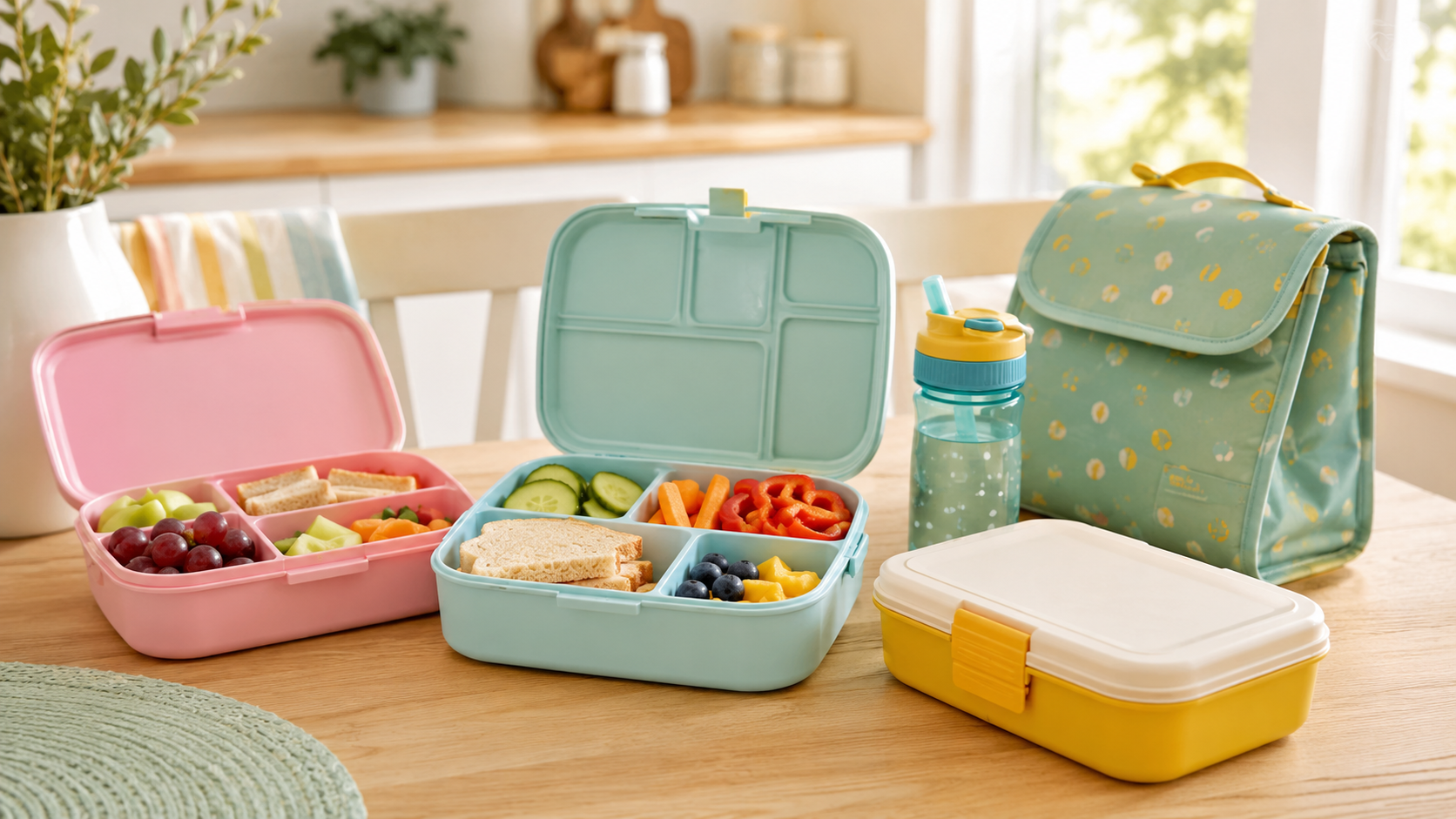
    A good toddler lunch box should be easy to open, easy to clean, sized for realistic toddler portions, and practical for daycare, preschool, and busy mornings.

    This guide moves the product comparison near the top so you can quickly narrow the options before reading the detailed buying checklist.

    Affiliate disclosure: Some links may be affiliate links. The Household Compass may earn a commission from qualifying purchases at no extra cost to you. Product details, prices, colors, availability, materials, dimensions, age guidance, care instructions, and retailer policies can change, so always review current retailer and manufacturer information before purchasing.

    Quick Picks: Toddler Lunch Boxes

    Start here if you want to reach product options faster. These picks are organized by the most common daycare and preschool lunch-packing needs.

    Everyday Bento

    Bentgo Kids Lunch Box

    A popular bento-style lunch box option for parents who want built-in compartments for small toddler portions.

    • Good for divided lunches
    • Useful for daycare and preschool
    • Simple all-in-one layout
    Check Bentgo Kids Lunch Box
    Budget-Friendly

    Pillowfort Bento Box

    A practical option for parents who want a simple divided lunch box without overcomplicating daily daycare packing.

    • Good for basic lunches
    • Target-friendly option
    • Useful for simple school routines
    Check Pillowfort Bento Box
    Snap Lid

    Bentgo Kids Snap & Go Lunch Box

    A snap-style option for families who want a streamlined lunch container for daycare, preschool, or packed snacks.

    • Snap-and-go style
    • Good for simpler packing
    • Useful for everyday lunch routines
    Check Bentgo Snap & Go
    Cold Lunches

    Bentgo Chill Kids Lunch Box

    A lunch box option designed for cold lunches where parents want built-in cooling support for daycare or preschool meals.

    • Good for cold lunch packing
    • Useful for longer school mornings
    • Built for chilled meal routines
    Check Bentgo Chill Kids
    Warm Food Flexibility

    OmieBox

    A lunch box option for families who want more flexibility for warm food and mixed lunch packing.

    • Good for warm-food needs
    • Useful for more flexible lunches
    • May fit families who pack varied meals
    Check OmieBox
    Utensil Included

    Munchkin Bento Toddler Lunch Box

    A toddler-focused bento lunch box option with utensils included, useful for parents who want a more complete lunch-packing setup.

    • Toddler-focused design
    • Includes utensils
    • Good for daycare meal routines
    Check Munchkin Bento Lunch Box

    Quick Product Comparison

    Use this table to compare the main lunch box options by use case before opening product links.

    Product Best For Why Parents May Like It Things to Check Before Buying Product Link
    Bentgo Kids Lunch Box Everyday bento lunches Built-in compartments can help organize small toddler portions without several separate containers. Capacity, latch style, cleaning instructions, leak expectations, and current retailer details. Check product
    Pillowfort Bento Box Simple budget-friendly packing A straightforward option for families who want a basic divided lunch container for school routines. Current design, size, lid fit, cleaning details, and whether it fits your child’s lunch portions. Check product
    Bentgo Kids Snap & Go Lunch Box Simple snap-style lunch packing May work well for families who want a cleaner, simpler lunch box format for everyday use. Compartment layout, latch operation, dishwasher guidance, and daycare fit. Check product
    Bentgo Chill Kids Lunch Box Cold lunches Useful when keeping food cool is part of the daily daycare or preschool lunch routine. Cooling insert details, total weight, cleaning steps, capacity, and bag fit. Check product
    OmieBox Warm food flexibility Designed for families who want more flexibility for warm food and mixed lunch packing. Thermos-style component instructions, cleaning complexity, weight, size, and age fit. Check product
    Munchkin Bento Toddler Lunch Box Toddler-focused bento setup Utensils included can make it a more complete option for daycare and toddler meal packing. Utensil storage, capacity, cleaning instructions, latch style, and current manufacturer details. Check product

    How to Choose a Toddler Lunch Box

    A toddler lunch box should match the food you pack, the bag it goes into, the child’s independence level, and the cleaning routine you can realistically keep up with.

    Start with portion size

    Toddler portions are usually smaller than older kids’ lunches. A good lunch box should avoid wasted space while still fitting enough food for the day.

    Check the latch style

    A lunch box can be excellent on paper but frustrating if the child cannot open it or if the latch is difficult during a busy daycare routine.

    Think about cleaning

    Daily lunch boxes need realistic cleaning. Check dishwasher guidance, removable parts, corners, seals, and drying time.

    Match hot or cold food needs

    Some families pack cold lunches. Others need warm-food flexibility. Choose the lunch box based on the meals you actually send.

    Confirm bag fit

    Make sure the lunch box fits inside the daycare bag, backpack, lunch bag, or cubby without forcing it sideways.

    Verify current product details

    Check manufacturer details for dimensions, materials, care instructions, age guidance, replacement parts, and retailer policies.

    Best Lunch Box Style by Routine

    Different lunch box styles work better for different households. Use this section to match the product type to your routine.

    For simple daycare lunches

    A basic divided bento box is often enough if you pack sandwiches, fruit, crackers, cut vegetables, or simple cold foods.

    For picky eaters

    Multiple compartments can make it easier to pack variety without foods touching too much.

    For cold lunch routines

    A lunch box with cooling support may be useful if the lunch sits for a while before eating.

    For warm food

    A lunch box with warm-food flexibility can help if your child prefers pasta, rice, soup-style foods, or leftovers.

    For small backpacks

    Choose a compact lunch box and verify dimensions before buying. Some bento boxes are wider or heavier than expected.

    For fast cleanup

    Look for fewer parts, smooth corners, dishwasher guidance, and a layout that dries easily overnight.

    Common Buying Mistakes

    The wrong lunch box can make mornings harder, even if it looks good online.

    Buying too large

    A lunch box that is too large may not fit the backpack, lunch bag, daycare cubby, or realistic toddler portions.

    Ignoring latch difficulty

    If a child or caregiver struggles with the latch, the lunch box may become frustrating during daily use.

    Assuming leakproof use

    Leak resistance varies by product and food type. Always check the product description before packing wet foods, sauces, yogurt, or dips.

    Skipping cleaning details

    Hidden seals, grooves, and removable parts can make cleanup harder. Check the care instructions before buying.

    Choosing only by looks

    A cute design still needs to fit the food, bag, cleaning routine, daycare rules, and child’s ability to use it.

    Forgetting labels

    For daycare or preschool, make sure the lunch box has a practical surface for your child’s name label.

    FAQ: Toddler Lunch Boxes

    What kind of lunch box is best for daycare?

    For daycare, a practical lunch box should be easy to open, easy to clean, labeled clearly, and sized for the foods your child actually eats. Check daycare rules before packing specific foods.

    Is a bento lunch box good for toddlers?

    A bento lunch box can be useful for toddlers because compartments help separate small portions. It works best when the latch is manageable and the compartments match the foods you pack.

    Should I choose a lunch box with cold support?

    If your child’s lunch needs to stay cold for several hours, a cold-lunch option may help. Review the manufacturer’s instructions and daycare storage setup before relying on any cooling feature.

    Should I buy a lunch box that holds warm food?

    Warm-food flexibility can be helpful if your child prefers foods like pasta, rice, or leftovers. These options may involve more parts, more cleaning, and more setup time.

    What should I check before buying a toddler lunch box?

    Check size, capacity, latch style, cleaning instructions, leak guidance, food compatibility, bag fit, age guidance, current price, availability, and retailer return policy.

    Related Toddler & Daycare Guides

    Use these related guides if you are building a full daycare, preschool, lunch-packing, or toddler mealtime setup.

    Daycare Packing Checklist

    Organize lunch boxes, snack containers, water bottles, labels, backup clothes, and toddler mealtime essentials.

    Open Checklist

    Toddler Snack Containers

    Compare snack cups and containers for daycare, travel, car rides, stroller trips, and less-mess snacking.

    Compare Snack Containers

    Toddler Water Bottles

    Compare bottles by insulation, cleaning, straw parts, lid style, leak guidance, and everyday use.

    Compare Water Bottles

    Toddler Plates & Bowls

    Compare plates and bowls for daily meals, cleanup, portion size, stability, divided sections, and storage.

    Compare Plates & Bowls

    Recommendations Hub

    Browse live product guides and upcoming household categories beyond kids and daycare.

    Open Recommendations

    Blog Guide Library

    Browse current product guides and upcoming categories across household product needs.
    Open Blog
    Buying reminder: Before purchasing, review current product details, age guidance, materials, care instructions, price, availability, shipping, and return policy directly on the retailer or manufacturer website.
  • Best Toddler Lunch Boxes for Daycare and Preschool: What Parents Should Look For

    Best Toddler Lunch Boxes for Daycare and Preschool: What Parents Should Look For

    Kids & Family Buying Guide

    Best Toddler Lunch Boxes for Daycare and Preschool: 6 Compared

    The best toddler lunch boxes for daycare and preschool should fit realistic portions, open without unnecessary struggle, clean up efficiently, and fit the bag or cubby used every day.

    This guide compares six lunch boxes by compartment layout, latch style, cooling or warm-food flexibility, cleaning, portability, age fit, and the main tradeoff to check before buying.

    Affiliate disclosure: Some links may be affiliate links. The Household Compass may earn a commission from qualifying purchases at no extra cost to you. Product prices, availability, colors, dimensions, materials, age guidance, care instructions, leak claims, and retailer policies can change, so verify current product details before purchasing.

    Quick Picks by Lunch-Packing Need

    Start with the routine your child actually has. A basic cold lunch, a larger appetite, a built-in ice pack, and a warm-food lunch require different designs.

    Best Everyday Bento

    Bentgo Kids Lunch Box

    Best for divided toddler portions, variety, and a familiar all-in-one bento layout.

    Main advantage: Built-in sections make it easier to pack a main food with several small sides without multiple loose containers.
    Check first: Confirm the current compartment layout, latch style, bag fit, cleaning instructions, and leak guidance for the exact version selected.
    Compare Bentgo Kids Options at Target
    Budget Pick

    Pillowfort Bento Box

    Best for straightforward cold lunches when a lower-cost divided box is more important than added insulation or specialty parts.

    Main advantage: A simple divided format can cover sandwiches, fruit, crackers, vegetables, and other basic daycare foods.
    Check first: Target may rotate colors or designs, so verify the current capacity, lid fit, care directions, and age suitability.
    Compare Pillowfort Bento Boxes at Target
    Best for Bigger Portions

    Bentgo Kids Snap & Go Lunch Box

    Best for children who need more room for a full sandwich, larger main dish, or bigger school-day appetite.

    Main advantage: A larger bento tray and four locking clips provide more food space than smaller toddler-focused boxes.
    Check first: The larger footprint may not fit compact lunch bags, small backpacks, or daycare cubbies.
    View Bentgo Snap & Go
    Best Built-In Cooling

    Bentgo Chill Kids Lunch Box

    Best for cold lunches when a removable ice pack is more convenient than arranging separate packs around the box.

    Main advantage: The integrated cooling format simplifies one part of the morning packing routine.
    Check first: Review total weight, freezer preparation, cleaning steps, food capacity, and whether the complete box fits the lunch bag.
    Compare Bentgo Chill Options at Target
    Best for Warm Food

    OmieBox

    Best for families that want an insulated thermos section and separate compartments for packing warm and cold foods together.

    Main advantage: The built-in insulated component supports pasta, rice, or another warm main beside cold sides.
    Check first: It is heavier and more involved to clean than a basic bento box, and the manufacturer recommends removing seals for cleaning.
    View OmieBox at OmieLife
    Best with Utensils

    Munchkin Lunch Bento Box

    Best for toddler meal routines where included utensils and a carrying handle reduce the number of separate items to pack.

    Main advantage: Five compartments and stainless steel utensils that store on the lid create a more complete setup.
    Check first: Confirm the box fits the child’s backpack and that the handle, utensils, lid, and compartments suit the foods normally packed.
    View Munchkin Lunch Bento Box

    Toddler Lunch Box Comparison

    Use this table to narrow the style first. Then verify the exact dimensions, care instructions, age guidance, and current retailer listing.

    Lunch Box Best For Key Format Main Advantage Main Caution Product Link
    Bentgo Kids Lunch Box Everyday divided toddler lunches All-in-one bento Organizes several small portions in one box Verify exact version, latch, bag fit, and cleaning Compare at Target
    Pillowfort Bento Box Budget-friendly cold lunches Simple divided box Lower-complexity option for basic foods Current design and capacity may change Compare at Target
    Bentgo Kids Snap & Go Bigger portions and full sandwiches Larger bento with four locking clips More room than smaller kids boxes Larger footprint may not fit compact bags View at Bentgo
    Bentgo Chill Kids Cold lunches with built-in cooling Four compartments with removable ice pack Cooling support is integrated into the system Added weight and freezer preparation Compare at Target
    OmieBox Warm main plus cold sides Bento with insulated thermos Packs hot and cold foods in one box Heavier with more seals and cleaning steps View at OmieLife
    Munchkin Lunch Bento Box Toddler setup with utensils Five compartments, handle, stored utensils Reduces separate accessories to remember Confirm backpack fit and utensil routine View at Munchkin

    Measure These 6 Things Before Buying

    A lunch box can look compact online and still be too wide, too tall, too heavy, or too complicated for the child’s actual routine.

    1. Lunch bag interior

    Measure usable width, depth, and height. Account for an ice pack, water bottle, napkin, and utensils.

    2. Backpack or daycare bag

    Check whether the lunch bag fits inside or must be carried separately during drop-off and pickup.

    3. Daycare cubby or refrigerator

    Some centers have limited shelf or cubby space. Confirm how the lunch must be stored and labeled.

    4. Realistic toddler portions

    Compare the compartments with the amount your child normally eats, not with adult meal-prep portions.

    5. Child’s latch reach and strength

    Test whether the child can hold the box steady and operate the latch without spilling the contents.

    6. Filled weight

    Consider the box, food, cooling insert, utensils, and bottle together—especially when the child carries the bag.

    What Matters Most for Daycare and Preschool

    The best lunch box is the one that works for the child, caregiver, food, bag, storage setup, and nightly cleanup routine.

    Child independence

    A box should be manageable for the child’s current age and coordination. Multiple latches may provide a secure closure but can also create more steps at lunchtime.

    Compartment usefulness

    More compartments are not automatically better. The layout should fit the foods your household actually packs, including sandwiches, wraps, fruit, vegetables, crackers, yogurt, rice, pasta, or leftovers.

    Leak guidance by food type

    Do not treat every divided lunch box as suitable for soups, runny yogurt, sauces, or thin dips. Review the exact manufacturer wording and use the recommended section or thermos for liquid-heavy food.

    Cleaning and drying

    Check removable trays, seals, grooves, hinges, vents, utensils, and ice-pack components. A box that stays damp or requires several small parts can slow the evening routine.

    Cold or warm food plan

    A standard bento may be enough when the daycare refrigerates lunches. Built-in cooling can help when refrigeration is unavailable. A thermos-style section is useful only when warm food is packed often enough to justify the extra weight and cleaning.

    Labeling surface

    Choose a place for the child’s name that remains visible after washing. Follow the daycare or preschool labeling policy for containers, lids, utensils, bottles, and bags.

    Detailed Picks by Use Case

    Each option solves a different lunch-packing problem. Match the box to the routine before comparing colors or patterns.

    Best Everyday Bento

    Bentgo Kids Lunch Box

    This is the most balanced starting point for families who want a divided bento layout for small portions and food variety.

    • Best for: Sandwiches, fruit, crackers, vegetables, cheese, and other cold lunch combinations
    • Main advantage: Several foods can be organized in one contained system
    • Main drawback: Fixed compartments can limit oversized foods or unusual portion shapes
    • Fit warning: Target results may include several Bentgo Kids versions, so compare the exact model before ordering
    Compare Bentgo Kids Options at Target
    Budget Pick

    Pillowfort Bento Box

    This option is most useful when the household wants a straightforward divided box without paying for built-in cooling, a thermos, or a more complex seal system.

    • Best for: Basic cold lunches and families testing whether a bento format works for their child
    • Main advantage: Simpler design and lower entry cost
    • Main drawback: It may offer fewer specialized features than premium lunch boxes
    • Fit warning: Confirm the current product capacity, lid design, materials, and care instructions because retailer assortments change
    Compare Pillowfort Bento Boxes at Target
    Best for Bigger Portions

    Bentgo Kids Snap & Go Lunch Box

    This larger option is better for a full sandwich, an entrée, or children whose portions no longer fit comfortably in smaller toddler boxes.

    • Best for: Larger appetites, school lunches, sports, picnics, and full sandwiches
    • Main advantage: Larger food capacity with four locking clips
    • Main drawback: More food space also means a larger overall footprint
    • Care warning: Follow the manufacturer’s current instructions for the tray, lid, dishwasher, and microwave
    View Bentgo Snap & Go
    Best Built-In Cooling

    Bentgo Chill Kids Lunch Box

    This design suits families who routinely send cold lunches and prefer a removable ice pack built around the lunch-box system.

    • Best for: Cold foods, longer mornings, and routines without dependable refrigeration
    • Main advantage: Four-compartment bento format with a removable cooling insert
    • Main drawback: The frozen insert adds weight and requires advance freezer preparation
    • Fit warning: Measure the lunch bag with the complete assembled system rather than the tray alone
    Compare Bentgo Chill Options at Target
    Best for Warm Food

    OmieBox

    OmieBox combines an insulated thermos with separate bento compartments, making it the most flexible option here for a warm main and cold sides in one container.

    • Best for: Pasta, rice, warm leftovers, and mixed hot-and-cold lunches
    • Main advantage: Built-in insulated section removes the need for a separate food jar
    • Main drawback: It is heavier and has more seals and parts than a simple bento box
    • Care warning: Remove the gasket and lid seal for cleaning and follow the current thermos instructions
    View OmieBox at OmieLife
    Best with Utensils

    Munchkin Lunch Bento Box with Stainless Steel Utensils

    This toddler-focused box includes a fork and spoon that attach to the lid, helping families avoid packing a separate utensil case.

    • Best for: Daycare meals, toddler portions, and food that requires a fork or spoon
    • Main advantage: Five compartments, a handle, and stored stainless steel utensils
    • Main drawback: The utensil and handle system adds components that must be washed and returned to the box
    • Age and care warning: Review the manufacturer’s current age guidance and top-rack dishwasher instructions
    View Munchkin Lunch Bento Box

    Common Toddler Lunch Box Mistakes

    Buying for the maximum possible meal

    An oversized lunch box can waste bag space, add weight, and make small portions look less appealing. Choose around the normal lunch, not the rare largest meal.

    Assuming the child can open every latch

    A secure closure is not helpful when the child cannot operate it and staff must assist during every meal.

    Ignoring the lunch bag

    Measure the box and bag together. Wide bento boxes may fit the backpack only when placed sideways, which can affect food placement and leak risk.

    Treating every compartment as liquid-safe

    Use thin sauces, yogurt, soup, and dips only as directed by the manufacturer. A sealed divider does not guarantee the entire box is suitable for loose liquids.

    Choosing too many removable parts

    Extra seals, utensils, inserts, dividers, and cooling pieces can be useful, but only when the household can wash, dry, and reassemble them consistently.

    Skipping a practice lunch

    Let the child open, close, carry, and eat from the box at home before sending it to daycare or preschool.

    Forgetting the center’s rules

    Check requirements for refrigeration, warming, allergens, labels, utensils, glass, food cutting, and foods that staff will or will not serve.

    A Faster Daycare Lunch-Packing System

    1. Choose one main food: Sandwich, wrap, pasta, rice, leftovers, or another familiar item.
    2. Add two or three reliable sides: Fruit, vegetables, crackers, cheese, or another food the child normally eats.
    3. Use the correct container for wet food: Follow the lunch-box instructions or use a separate sealed snack container.
    4. Prepare cooling or warm-food parts: Freeze the insert in advance or preheat the insulated food section according to the manufacturer directions.
    5. Add bottle, utensil, and napkin: Keep these in consistent locations so they are not forgotten.
    6. Label every removable item: Include lids, trays, utensils, bottles, and bags when required.
    7. Check the closure: Wipe sealing surfaces and confirm every latch before placing the box in the bag.
    8. Unpack immediately after pickup: Wash and dry the parts early enough for the next morning.

    For the complete routine, use the daycare packing checklist for toddlers and compare toddler snack containers for foods that do not fit the main lunch box.

    Frequently Asked Questions

    What type of lunch box is best for daycare?

    A practical daycare lunch box should fit the child’s portions, open at the child’s current skill level, fit the center’s storage setup, and be realistic to clean every evening.

    Is a bento lunch box good for toddlers?

    Yes, when the compartments match the foods and portions the child eats. Bento boxes can reduce loose containers and help separate small foods, but the latch and overall size still need to fit the child.

    Should I choose a lunch box with an ice pack?

    Built-in cooling can simplify packing when the center does not refrigerate lunch. Confirm the center’s storage process and the manufacturer’s cooling instructions before relying on it.

    Is OmieBox worth considering for warm food?

    It is most useful when warm meals are packed regularly. The thermos adds flexibility, but also adds weight, seals, hand-washing steps, and a more detailed preparation routine.

    How do I know whether a toddler can open the lunch box?

    Practice at home with the box filled. The child should be able to stabilize it, release the latch, lift the lid, and close it without tipping the food.

    What should I pack separately from the lunch box?

    Use separate containers for foods that exceed the lunch box’s leak guidance, extra snacks, or items that need a different temperature or texture.

    How should I label a daycare lunch box?

    Use a durable name label on the base and any removable lid, tray, utensil, bottle, or bag. Follow the daycare’s preferred name and classroom format.

    Related Toddler and Daycare Guides

    Build the rest of the daycare, preschool, and toddler mealtime routine with these connected guides.

    Final Picks by Need

    • Best everyday divided bento: Bentgo Kids Lunch Box
    • Best budget option: Pillowfort Bento Box
    • Best for bigger portions: Bentgo Kids Snap & Go
    • Best built-in cooling: Bentgo Chill Kids
    • Best for warm and cold food together: OmieBox
    • Best with included utensils: Munchkin Lunch Bento Box

    Measure the bag and storage space, test the latch at home, and verify current care, age, leak, and temperature instructions before sending a new lunch box to daycare or preschool.

    Return to Quick Picks